


LIPO C with B12 (liquid)
$69.95
Discover LIPO-C with B12 from Peptide Tech Solutions, a 10 mL liquid formulation designed for research applications. This aqueous solution combines Methylcobalamin (Vitamin B12) with lipotropic agents and amino acids, ensuring compatibility and stability for your lab work. Produced in a GMP-certified facility, this product includes batch-level documentation for optimal transparency. Whether you’re developing analytical methods or enhancing in-vitro studies, LIPO-C with B12 is a reliable solution.
LIPO-C with B12 — 10 mL Vial (Aqueous Solution, RUO)
LIPO-C with B12 from Peptide Tech is a research-grade, aqueous solution supplied in a sealed 10 mL sterile vial. The formulation includes Methylcobalamin (Vitamin B12) alongside lipotropic and amino-acid components for laboratory workflows such as in-vitro compatibility, stability, and analytical method development. Produced in a GMP-certified facility with batch-level documentation (COA available), this product is intended strictly for laboratory research use only (RUO).
Specifications
| Property | Details |
|---|---|
| Product Name | LIPO-C with B12 |
| Volume | 10 mL vial |
| Form | Aqueous solution (non-clinical research use only) |
| Key Components | Includes Methylcobalamin (Vitamin B12); see full ingredient list below |
| Purity / Grade | Research-grade; COA available |
| Manufactured In | GMP- aligned facility |
| Intended Use | For laboratory research only (RUO); not for human or animal use, ingestion, diagnostic, therapeutic, or veterinary applications |
Ingredient List (Per mL)
| Ingredient | Amount |
|---|---|
| B5 (Dexpanthenol) | 25 mg |
| B6 (Pyridoxine) | 25 mg |
| B12 (Methylcobalamin) | 1 mg |
| L-Arginine | 20 mg |
| L-Carnitine | 100 mg |
| L-Methionine | 25 mg |
| L-Inositol | 50 mg |
| Choline Chloride | 50 mg |
| Lidocaine | 1 % |
| Benzyl Alcohol (preservative) | 1 % |
| SWater | QS to volume |
Key Features — Peptide Tech
- Same-Day Shipping (Mon–Fri, on in-stock items)
- GMP-Aligned solution prep & sterile packaging
- USA Made with batch-level traceability
- COA Access via QR or upon request
- 24/7 Support & Price Match Guarantee
- Cold-Chain Shipping — Always (no paid upgrade)
- Text & Email Order Updates; worldwide shipping where permitted
- 2-Day FedEx/UPS Standard with economical Overnight options
Quality, Storage & Handling
- Quality: Research-grade formulation; COA details assay, identity, and preservatives per lot.
- Storage Conditions: Store in a cool, dry place; protect from moisture and light. Refrigeration (2–8 °C) recommended for solution stability. Do not freeze unless COA permits.
- Handling: Use aseptic technique in a laboratory setting. Record withdrawals and minimize repeated stopper punctures. Review SDS for each component (e.g., lidocaine, benzyl alcohol).
Potential Applications in Research
Strictly non-clinical research. Example lab uses include in-vitro excipient compatibility studies, stability/forced-degradation method development, and preservative-efficacy screening in model systems. No human or animal use is implied.
Compliance & RUO Disclaimer
For laboratory research use only. Not a drug, food, or cosmetic. Not for human consumption, diagnostic, therapeutic, or veterinary use. Purchasers must be qualified to handle RUO materials and comply with applicable laws and institutional policies.
FAQs
- Is this intended for human or veterinary use?
- No. This product is sold strictly as RUO; it is not for human or animal use or any therapeutic purpose.
- Is a COA provided?
- Yes. A batch-specific Certificate of Analysis is available (QR-linked or upon request) detailing assay/identity and key quality attributes.
- How should the vial be stored?
- Keep sealed, cool, dry, and protected from light. Refrigeration (2–8 °C) is recommended; consult the COA for any additional stability instructions.
- What about preservatives and anesthetic content?
- This research formulation contains benzyl alcohol (1%) as preservative and lidocaine (1%). Review SDS and handle under appropriate lab controls.
Related Products
- B12 10mg (10mL)
- L-Carnitine 600 mg/ml (20mL volume) (liquid)
- Methylene Blue 500mg Liquid
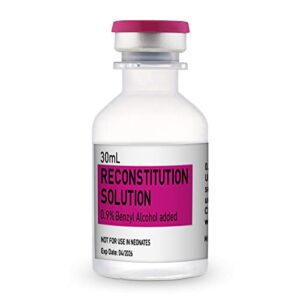
- Reconstitution Solution – 30ML
Browse more in Liquids/Aminos/Solvents.
Always read the label and use products as directed. Consult a qualified professional where appropriate.
Related products